Pollinator Garden

at the JCCNS Front Entrance

Pollinators such as bees and butterflies are responsible for the reproduction of more than 85% of flowering plants, including many crops people rely on for food. Yet their populations are in decline due to habitat loss, pesticide use, climate change and disease.

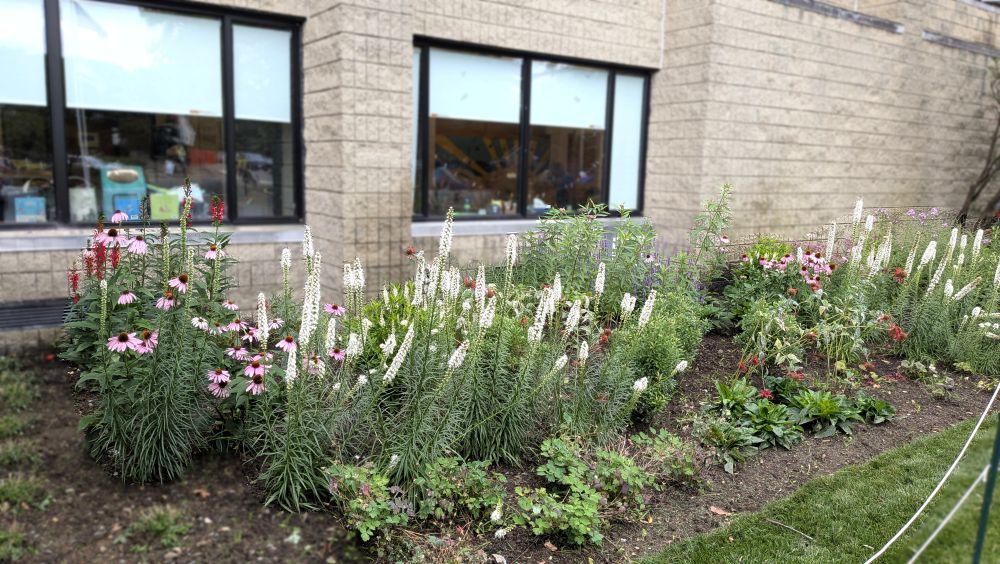
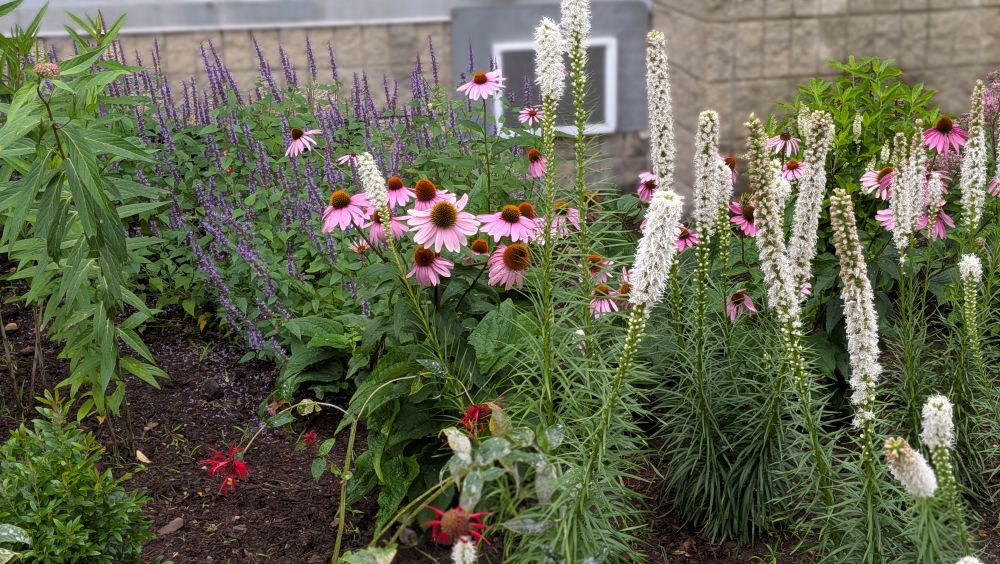
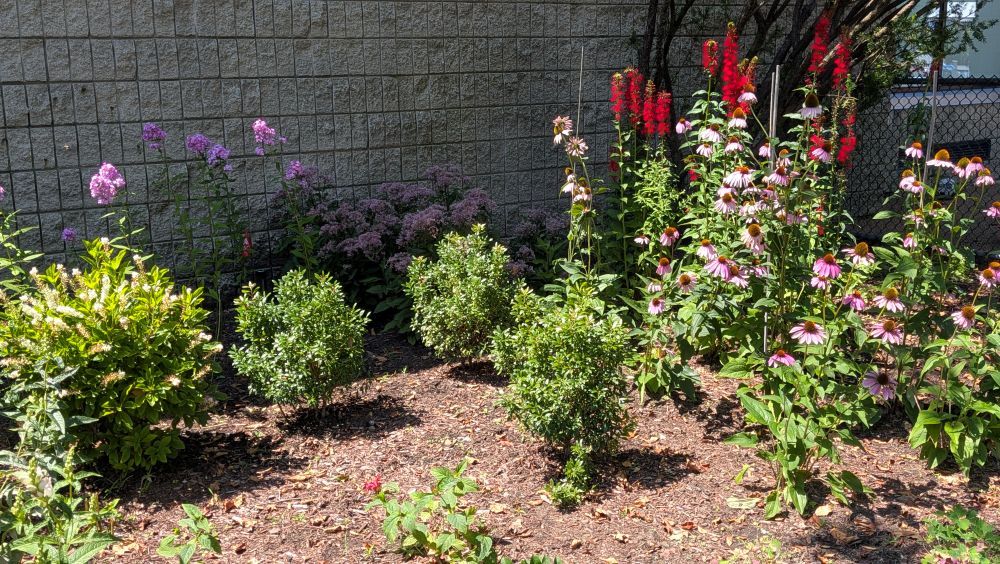
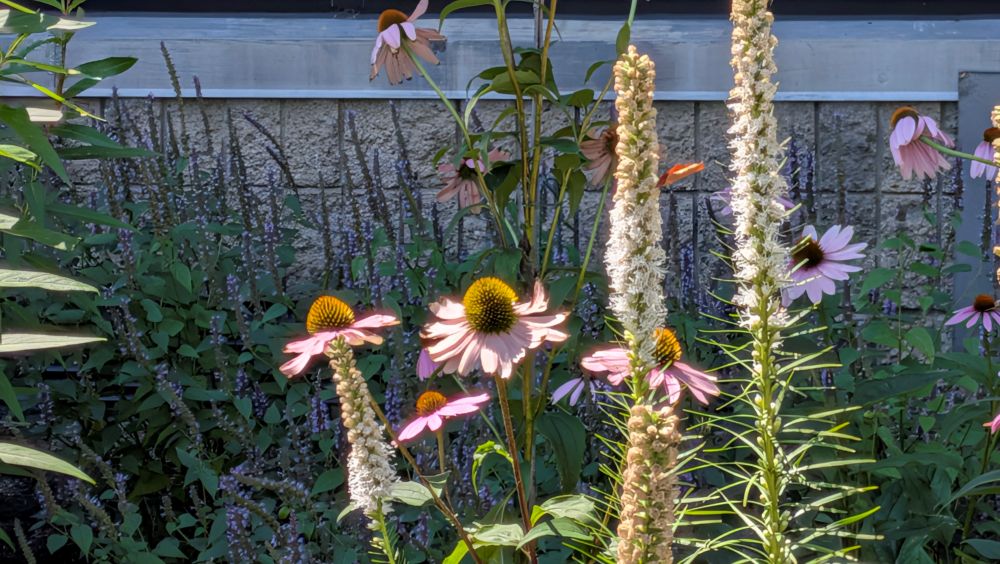
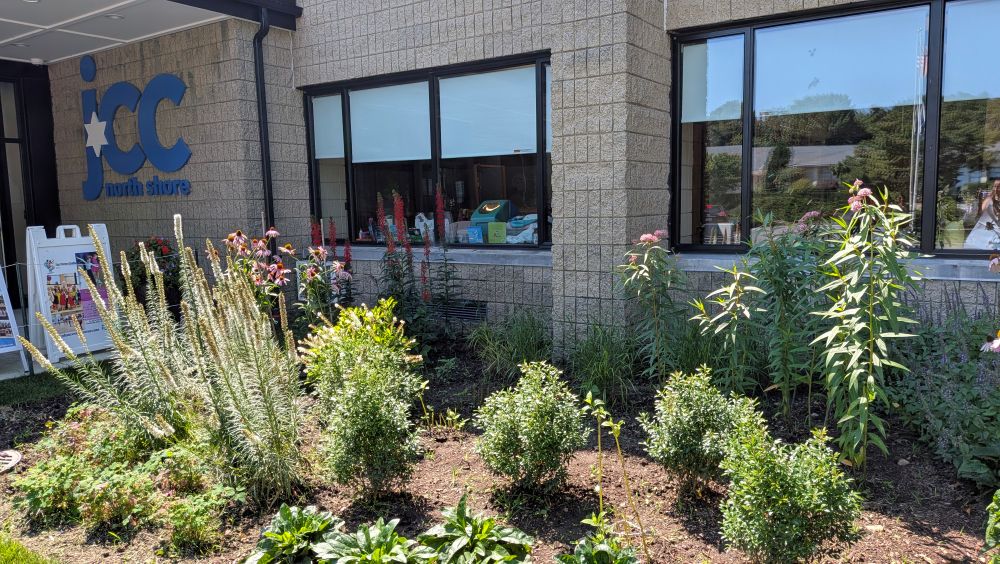
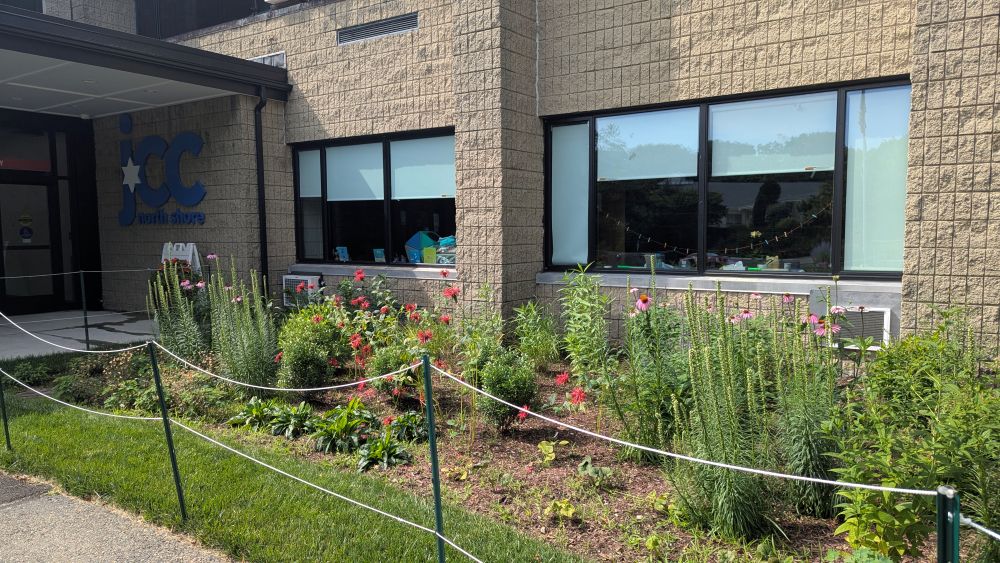
To encourage biodiversity, this pollinator garden at the JCCNS is planted with New England native plant species to support pollinators, insects and birds.

Why use native plants?

  • To provide wildlife with essential food and habitat
  • To restore local ecosystems and strengthen resiliency to climate change
  • Native plants thrive in New England conditions and are adapted to the environment
  • Native plants require less water and reduced maintenance
For more information on native plants and pollinator gardens, visit homegrownnationalpark.org/doug-tallamy and masspollinatornetwork.org

bee

Pollinator gardens can be created in small home garden areas by anyone! The more lawn you can replace with a garden, the healthier the environment will be.

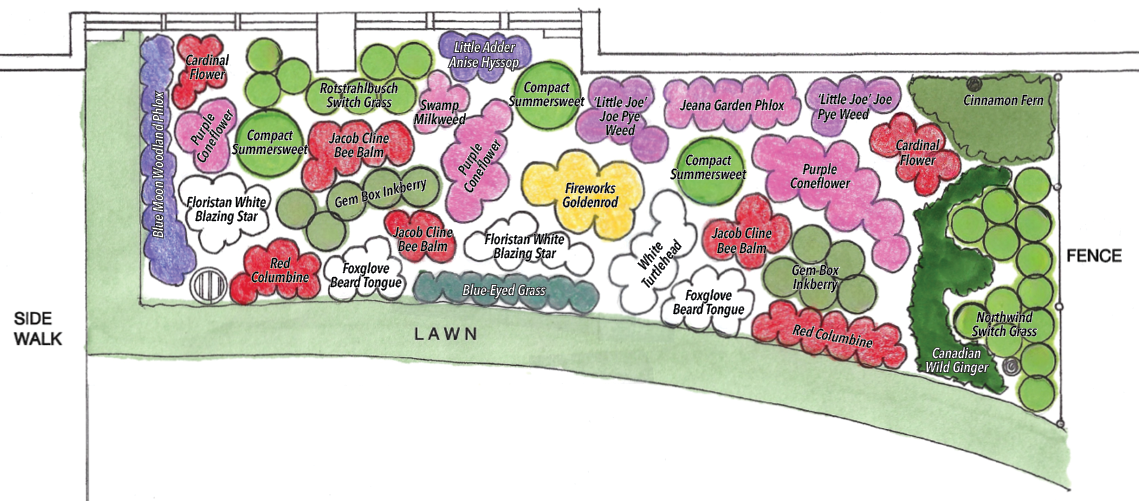
Pollinator Garden Map - Aug 2026
Native Garden Design generously donated by: Katherine Bradford, Landscape Architect, Larry Simpson, Garden Designer,
and Susan Stelk, Native Plant Gardener – Summer 2026 (Click to view larger)

The 20 different species of native plants that comprise this garden are part of a larger national effort to restore ecosystems and create models that residents can follow.

Perennials with Flowers

Spring Blooming

  • Red Columbine (Aquilegia canadensis)
  • Canadian Wild Ginger (Asarum canadense)
  • Foxglove Beard Tongue (Penstemon digitalis) – Note 5: Photo by Annika Lindqvist
  • Blue Moon Woodland Phlox (Phlox divaricata ‘Blue Moon’)Note 6: Photo by Fritz Flohr Reynolds
  • Blue-eyed Grass (Sisyrinchium angustifolium)Note 20: Photo by Dawn Scranton

Summer Blooming

  • Swamp Milkweed (Asclepias incarnata)Note 7: Photo by Rusty Clark 
  • Purple Coneflower (Echinacea purpurea) Note 8: Photo by Joshua Mayer
  • Cardinal Flower (Lobelia cardinalis)
  • Jacob Cline Bee Balm (Monarda didyma ‘Jacob Cline’)

Mid-Late Summer Blooming

  • Little Adder Anise Hyssop (Agastache rugosa ‘Little Adder’)Note 11: Photo by Aaron Carlson
  • Floristan White Blazing Star (Liatris spicata ‘Floristan White’)
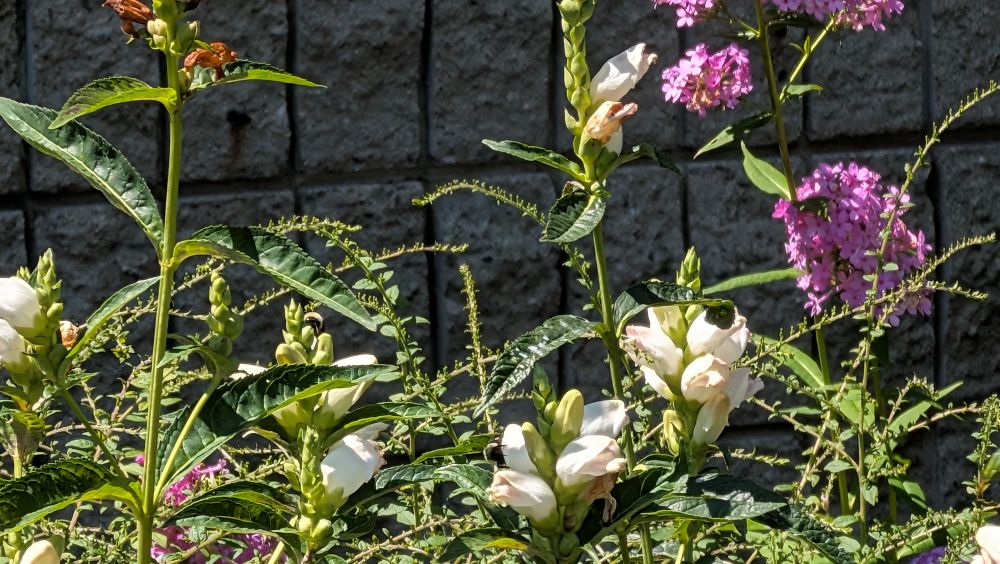
  • Jeana Garden Phlox (Phlox paniculata ‘Jeana’)Note 13: Photo by Katherine Wagner-Reiss
  • White Turtlehead (Chelone glabra)

Fall Blooming

  • ‘Little Joe’ Joe Pye Weed (Eutrochium dubium ‘Little Joe’)
  • Fireworks Goldenrod (Solidago rugosa ‘Fireworks’)

Perennial Grasses

  • Northwind Switch Grass (Panicum virgatum ‘Northwind’)Note 17: Photo by David Stang
  • Rotstrahlbusch Switch Grass (Panicum virgatum ‘Rotstrahlbusch’)Note 17: Photo by David Stang

Perennial Ferns

  • Cinnamon Fern (Osmundastrum cinnamomeum)

Shrubs

  • Compact Summersweet (Clethra alnifolia ‘Compacta’)Note 1: Photo by Hajotthu
  • Gem Box Inkberry (Ilex glabra ‘Gem Box’)Note 2: Photo by David Stang